

Design Notes #03 - Residential Solar Design
Why Professional Solar Design Is Critical for Residential Projects
Residential solar has moved from a niche feature to a core component of modern home design. Increasingly, architects, developers, and contractors are incorporating photovoltaic (PV) systems into projects from the outset to meet sustainability goals, reduce operating costs, and comply with evolving energy regulations.
However, designing a solar system is far more complex than simply placing panels on a roof. A well-designed residential solar installation requires careful electrical engineering to ensure the system is safe, code-compliant, efficient, and seamlessly integrated into the building’s electrical infrastructure.
Professional solar design plays a crucial role in achieving these outcomes.
Solar Systems Are Electrical Power Plants
A residential solar system is essentially a small distributed power plant operating within the home’s electrical system. It must safely generate power, interact with the utility grid, and integrate with the building’s electrical distribution.
This means the design must consider:
Electrical service capacity
Inverter sizing and configuration
Utility interconnection requirements
Electrical load distribution
Conductor sizing and voltage drop
Overcurrent protection
Grounding and bonding
These elements must comply with standards established by organizations such as the National Fire Protection Association through the National Electrical Code, particularly Article 690, which governs solar photovoltaic systems.
Without proper engineering oversight, these systems can introduce safety risks, operational inefficiencies, or permitting challenges.
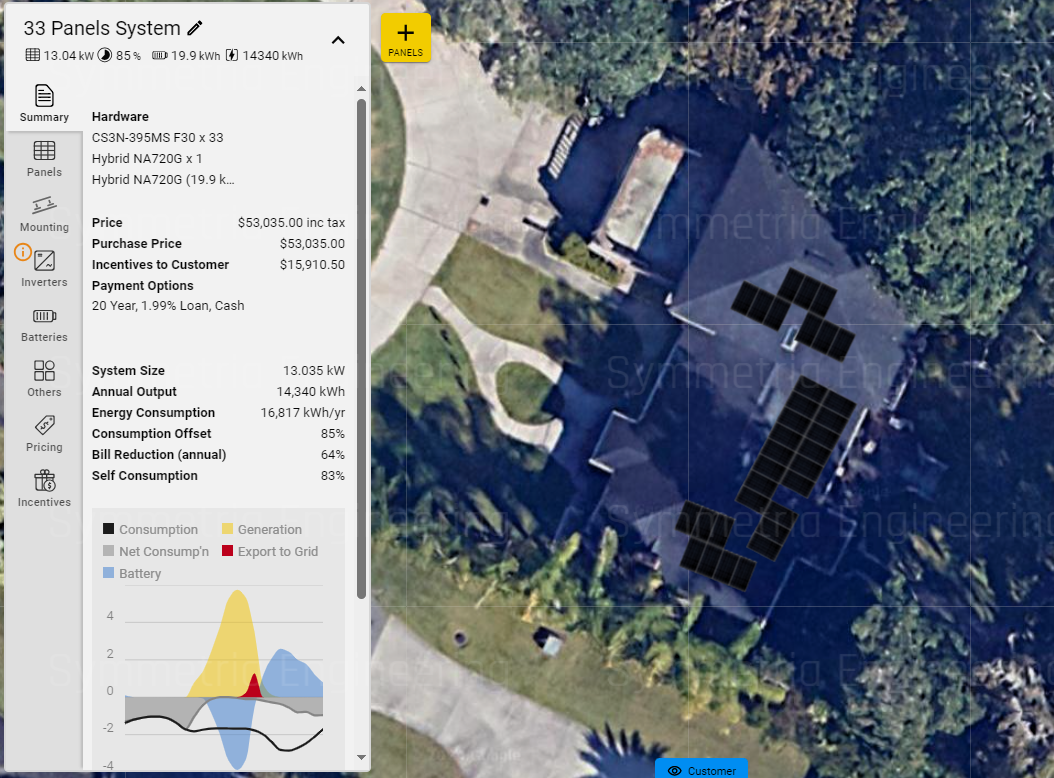
Professional Solar Design Matters
Why Professional Solar Design Matters
1. Code Compliance and Safety
Solar systems must comply with multiple sections of the National Electrical Code, including requirements for:
Rapid shutdown systems
Grounding and bonding
Conductor sizing and overcurrent protection
Interconnection methods
Equipment ratings and disconnects
Improperly designed systems can lead to failed inspections, redesigns, and construction delays. Professional electrical engineering ensures that solar installations meet all applicable code requirements from the beginning.
For project teams, this means smoother permitting and fewer surprises during construction.
2. Utility Interconnection and Approval
Residential solar systems must coordinate with local utilities before they can operate. Each utility has specific requirements governing how distributed generation connects to the grid.
Utilities such as Southern California Edison require technical documentation showing:
System capacity
Interconnection method
Inverter specifications
Protection equipment
A properly engineered design package ensures the system meets these requirements and helps streamline the interconnection approval process.
For developers and contractors, this reduces the risk of delays between installation and system commissioning.
3. Maximizing System Performance
Professional solar design goes beyond compliance—it also focuses on optimizing system performance.
Engineers evaluate factors such as:
Panel orientation and layout
Inverter configuration
Electrical losses and voltage drop
System capacity relative to building demand
Long-term operational efficiency
A system that is poorly designed may produce significantly less energy than expected, reducing the financial return on investment for homeowners or developers.
Thoughtful engineering ensures the system delivers the performance that was promised.
4. Integrating Solar Into the Building Design
The most successful solar installations are those that are considered early in the design process.
When electrical engineers collaborate with architects and contractors during early planning stages, they can coordinate:
Roof layouts and equipment placement
Conduit pathways
Electrical service capacity
Panelboard space allocation
Equipment clearances
This coordination helps avoid last-minute design changes or construction conflicts that can occur when solar systems are added late in the project.
For architects and builders, early integration ensures the solar system fits seamlessly into the overall building design.
5. Preparing Homes for the Future
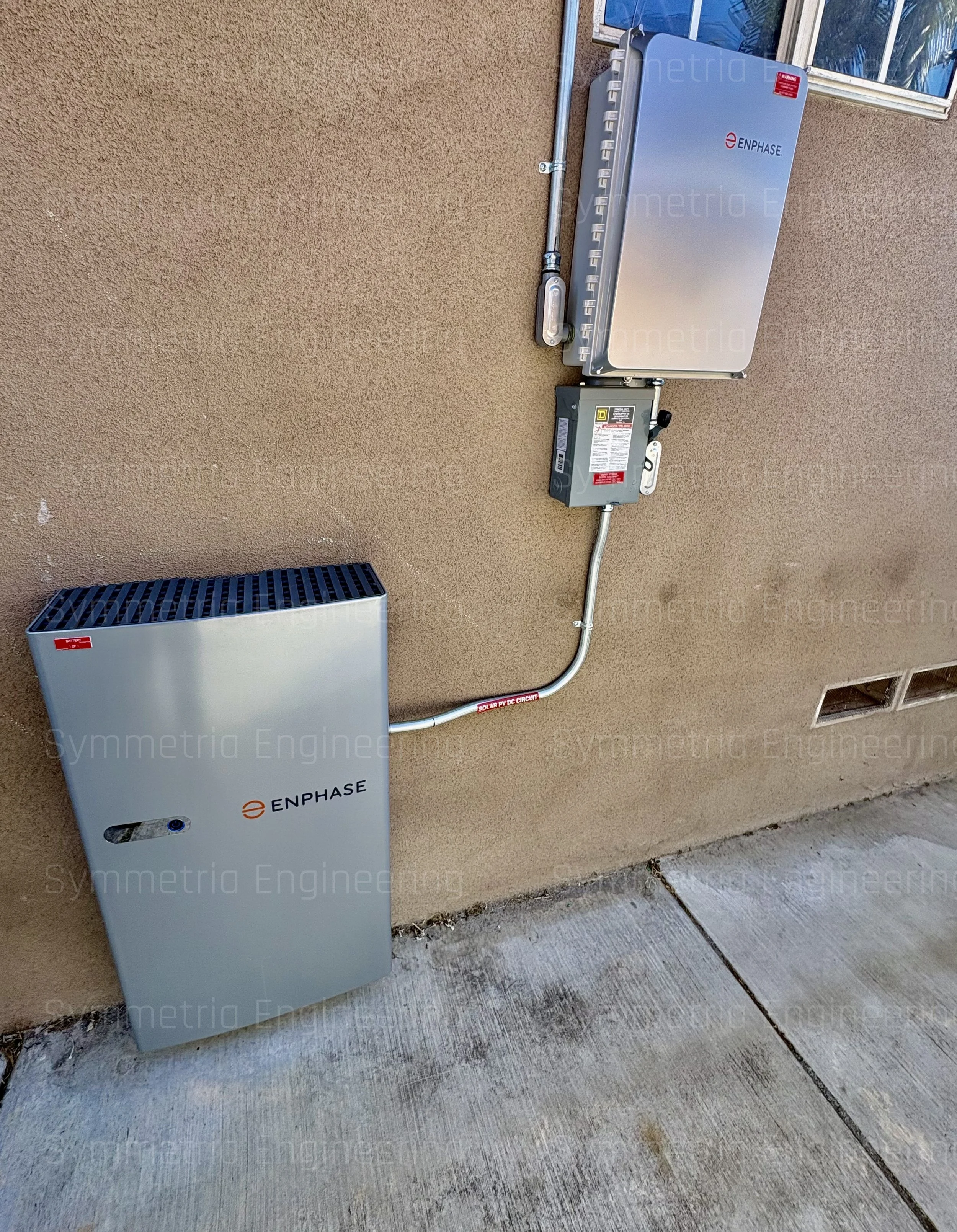
Battery Energy Storage - Preparing Homes for the Future
Residential electrical demand is evolving rapidly. Homes are increasingly incorporating:
Electric vehicle charging infrastructure
Electrified heating and cooling systems
Battery storage systems
Smart home technologies
Solar installations must be designed with these future loads in mind. A professionally engineered system can ensure the electrical infrastructure is prepared for expansion and future energy technologies.
This forward-thinking approach protects the long-term value of the property.
Engineering That Supports Sustainable Design
Solar energy plays an important role in advancing sustainable building practices. But the success of a solar installation ultimately depends on the quality of its electrical design.
Professional engineering ensures that solar systems are safe, efficient, and fully integrated into the building’s electrical infrastructure—supporting both the performance goals of the project and the expectations of the homeowner.
At Symmetria Engineering, we specialize in delivering high-quality electrical designs for residential solar projects. By working closely with architects, contractors, and developers, we help ensure solar installations are engineered for reliability, efficiency, and long-term performance.
Our goal is simple: provide electrical designs that enable project teams to deliver modern, energy-efficient homes with confidence.