

Design Notes #01 - Why NEC 220 Load Calculations Matter
The Foundation of Safe and Reliable Electrical Design
Why NEC 220 Load Calculations Matter: The Foundation of Safe and Reliable Electrical Design
When a building is designed, countless decisions shape its performance, safety, and longevity. Architects carefully craft form and function, structural engineers ensure stability, and contractors bring the vision to life. Behind the scenes, electrical engineers are responsible for one of the most critical elements of any facility: ensuring the electrical system is sized correctly to safely support the building’s operations.
At the core of this process are load calculations performed in accordance with National Fire Protection Association’s National Electrical Code Article 220.
While they may appear to be a purely technical exercise, NEC 220 load calculations are fundamental to safe design, cost efficiency, and successful project delivery.
What Are NEC 220 Load Calculations?
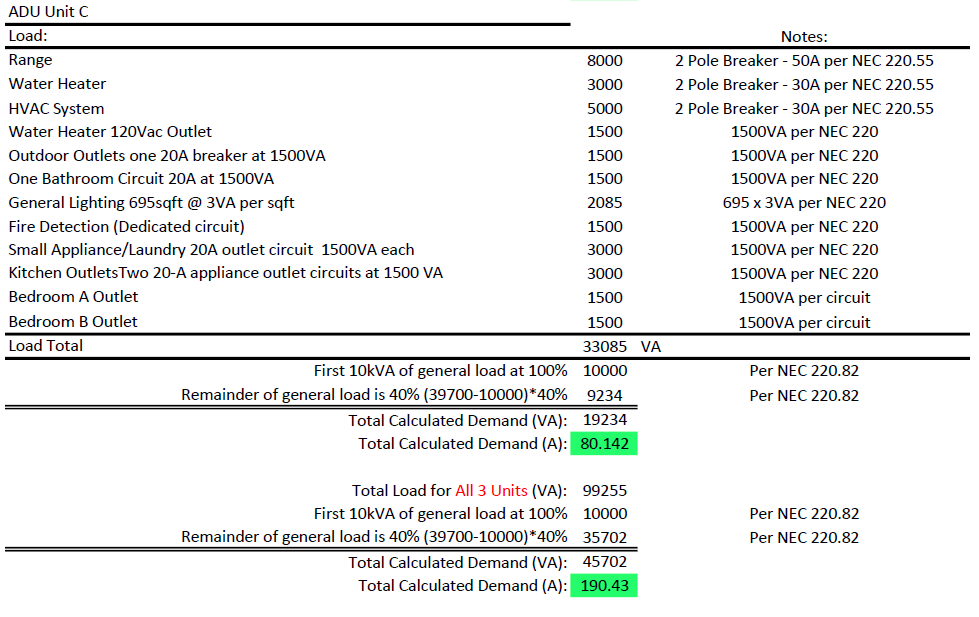
Symmetria - Load Calculation
NEC Article 220 provides the methodology used to determine the minimum electrical demand for a building. This calculation evaluates the expected electrical loads within a facility, including:
Lighting loads
Receptacle loads
HVAC systems
Kitchen equipment
Motors and mechanical systems
Specialized equipment loads
Continuous vs. non-continuous loads
Using standardized demand factors and engineering judgment, NEC 220 helps determine the service size, feeder sizing, and panel capacity required for a building.
In short, it answers one critical question:
How much electrical power does this building actually need to operate safely and reliably?
Why Proper Load Calculations Are Critical
1. Electrical Safety
Electrical systems that are undersized can overheat, trip breakers, or create dangerous fault conditions. Oversized systems, while safer, can introduce coordination issues and unnecessary cost.
NEC 220 calculations ensure electrical infrastructure is properly sized to handle real-world demand, protecting both occupants and equipment.
For architects and developers, this means designing buildings that meet safety standards from day one rather than requiring costly redesigns later.
2. Avoiding Costly Overdesign
Without accurate load calculations, projects often default to conservative assumptions. This can result in:
Oversized switchboards
Larger transformers than necessary
Excessive conduit and conductor sizes
Increased utility service requirements
For large facilities, these inefficiencies can add tens or hundreds of thousands of dollars to construction costs.
By applying NEC 220 demand factors correctly, electrical engineers can optimize system sizing while maintaining full code compliance.
3. Utility Coordination and Service Approval
Before construction begins, utilities must approve the electrical service design. This includes verifying that the requested electrical capacity aligns with the expected demand.
A properly documented NEC 220 calculation package helps streamline coordination with utilities such as Southern California Edison or Los Angeles Department of Water and Power, reducing delays during the design and permitting process.
For contractors and developers, this translates directly into faster approvals and fewer surprises during construction.
4. Supporting Modern Building Demands
Today's buildings are more electrically intensive than ever before. Consider the growing impact of:
Electric vehicle charging infrastructure
Electrified HVAC systems
Data and communication equipment
High-efficiency lighting systems
Smart building technologies
Accurate load calculations help project teams understand how these systems interact and affect total electrical demand, ensuring the infrastructure can support both current and future building needs.
5. Passing Plan Check and Permitting
Jurisdictions across the country require NEC-compliant load calculations as part of the electrical plan review process.
A well-prepared load calculation package helps ensure projects move smoothly through plan check by demonstrating that the design complies with the requirements of the National Electrical Code.
For contractors, this reduces the risk of permit comments and redesigns that can slow construction schedules.
Where Load Calculations Fit in the Design Process
NEC 220 load calculations are typically performed during the early design phases, often before panel schedules or detailed electrical layouts are completed.
At this stage, electrical engineers work closely with architects and mechanical engineers to understand the building program and major equipment loads. These calculations inform key design decisions such as:
Electrical service size
Transformer sizing
Switchboard capacity
Feeder distribution strategies
Panelboard allocation
When performed early, load calculations provide a clear electrical design roadmap for the entire project.
A Collaborative Effort
Electrical load calculations are not performed in isolation. The most effective designs come from close collaboration between architects, engineers, and contractors.
Architects provide insight into space planning and building usage. Mechanical engineers define HVAC demands. Contractors contribute practical construction considerations.
Electrical engineers then synthesize this information into a system that is safe, code-compliant, and cost-effective.
Engineering the Electrical Backbone of Your Project
Every building depends on a reliable electrical backbone. NEC 220 load calculations ensure that backbone is designed correctly from the start.
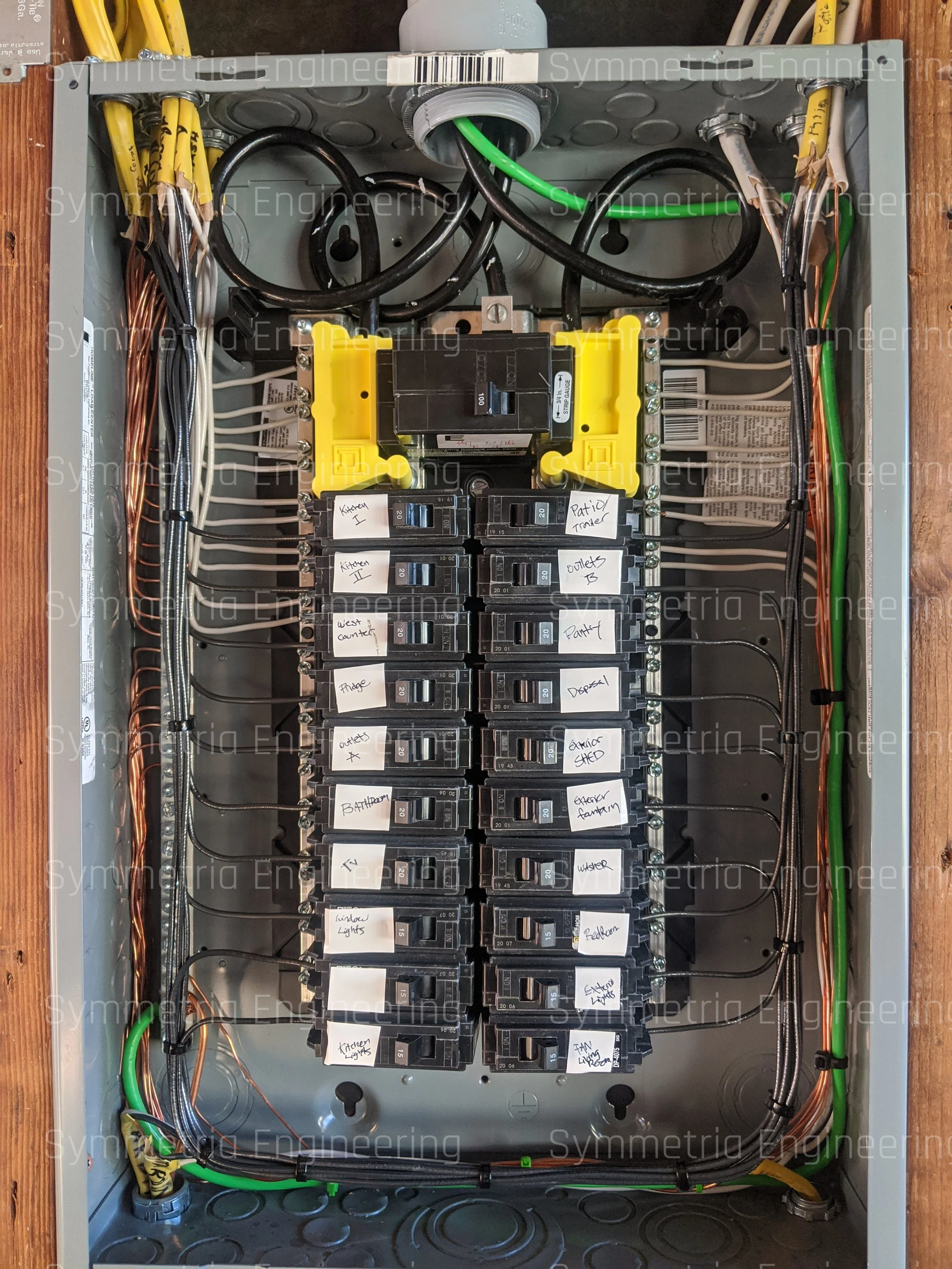
At Symmetria Engineering, we specialize in delivering precise, code-compliant electrical designs that support efficient construction and long-term building performance. From residential developments to large commercial facilities, our team provides the electrical expertise needed to bring projects to life safely and efficiently.
If your project requires electrical engineering support, our team is ready to collaborate with architects, developers, and contractors to design systems that meet both code requirements and real-world project needs.