

Power Forensics #02 - What Caused it: Electrocution Event
Case Study: The Hidden Hazard of Shared Neutrals in 277V LED Lighting Systems
Modern commercial buildings rely heavily on 277V lighting systems for efficiency and performance. These systems—commonly used in offices, warehouses, retail spaces, and multifamily buildings—are often paired with high-efficiency LED fixtures to reduce energy consumption and operational costs.
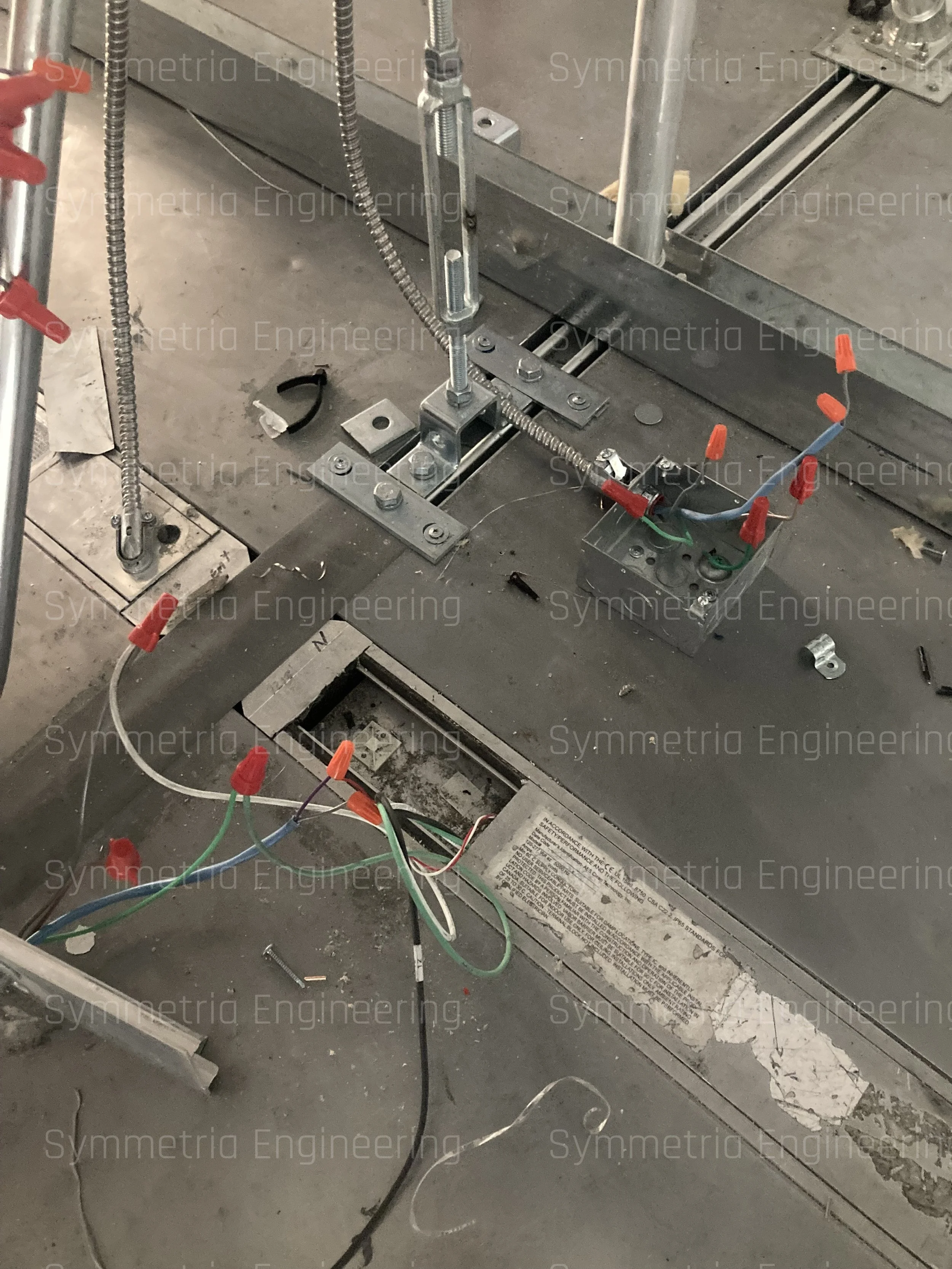
Hardtop Surface with Integrated LED lights fed by 277Vac / Shared Neutral
However, behind the efficiency benefits lies a lesser-known hazard that can pose serious risks to electricians and contractors working on these systems: shared neutrals.
Even when proper lockout/tagout procedures are followed, shared neutrals in 277V lighting circuits can remain energized—creating a dangerous and sometimes deadly situation.
This case study illustrates why understanding neutral conductors is essential when working on modern lighting systems.
The Scenario
A contractor was performing a lighting upgrade in a commercial facility. The project involved replacing several LED fixtures and adding a new lighting circuit from an existing 480Y/277V panelboard.
The work required:
Installing a new breaker in the lighting panel
Running branch circuit conductors to the new fixtures
Tying into an existing lighting junction box where multiple circuits were present
Before beginning work, the electrician followed proper lockout/tagout procedures, de-energizing the breaker feeding the lighting circuit and verifying that the hot conductor was de-energized.
At first glance, the circuit appeared safe to work on.
However, the lighting system used a shared neutral configuration, where multiple 277V circuits shared a single neutral conductor.
How Shared Neutrals Work
In many commercial lighting systems, particularly those fed from 480Y/277V distribution, circuits are sometimes installed as multiwire branch circuits.
In this configuration:
Two or three phase conductors share a common neutral
Each phase conductor originates from a different phase of the panel
The neutral carries the imbalance between phases
While this approach can reduce conductor count and conduit fill, it introduces an important safety consideration: the neutral may still carry current even if one circuit is de-energized.
In other words, turning off a single breaker does not necessarily make the neutral safe.
The Dangerous Moment
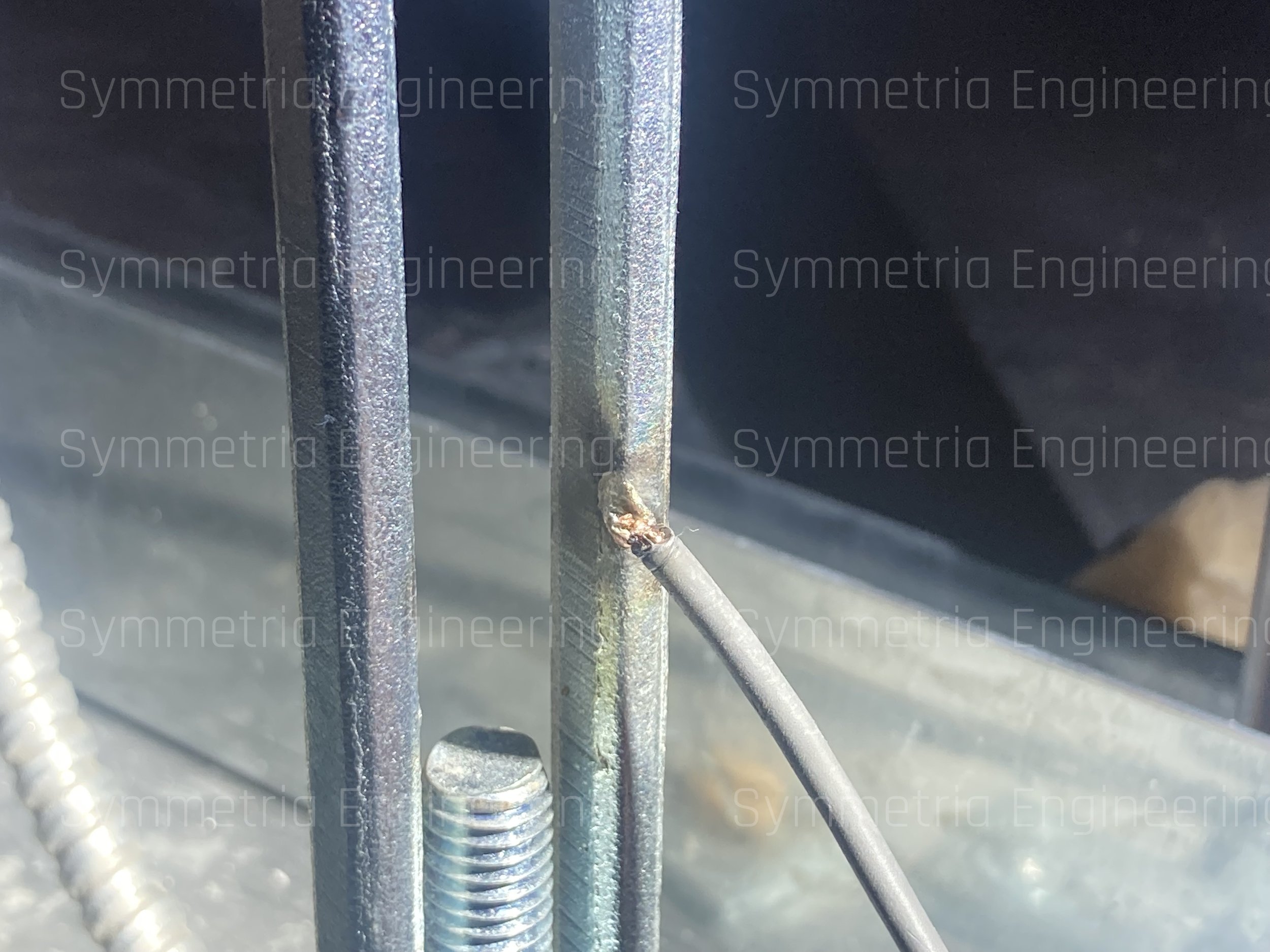
Shared neutral conductor was still carrying current from the energized circui
During the lighting upgrade, the electrician began working inside a junction box containing several lighting circuits. The breaker for the circuit being modified had been properly locked out.
However, another circuit in the same junction box—connected to a different breaker—remained energized.
Because the circuits shared a neutral, that neutral conductor was still carrying current from the energized circuit.
When the electrician disconnected the neutral conductor for the circuit being modified, the neutral path for the other circuit was interrupted. This created a dangerous situation where voltage potential appeared across conductors that were assumed to be safe.
Under the wrong conditions, this type of event can result in:
Electrical shock
Arc events
Unexpected energization of conductors
Severe injury or fatality
Even experienced electricians can be caught off guard when shared neutrals are involved.
Why This Hazard Is Often Overlooked
Shared neutral risks are frequently underestimated because standard lockout/tagout procedures focus on phase conductors and breakers.
However, unless all associated circuits are de-energized simultaneously, the neutral conductor may still be carrying load current.
This is particularly common in lighting systems where:
Multiple circuits are routed through a single junction box
Multiwire branch circuits are used
Lighting control systems combine multiple circuit pathways
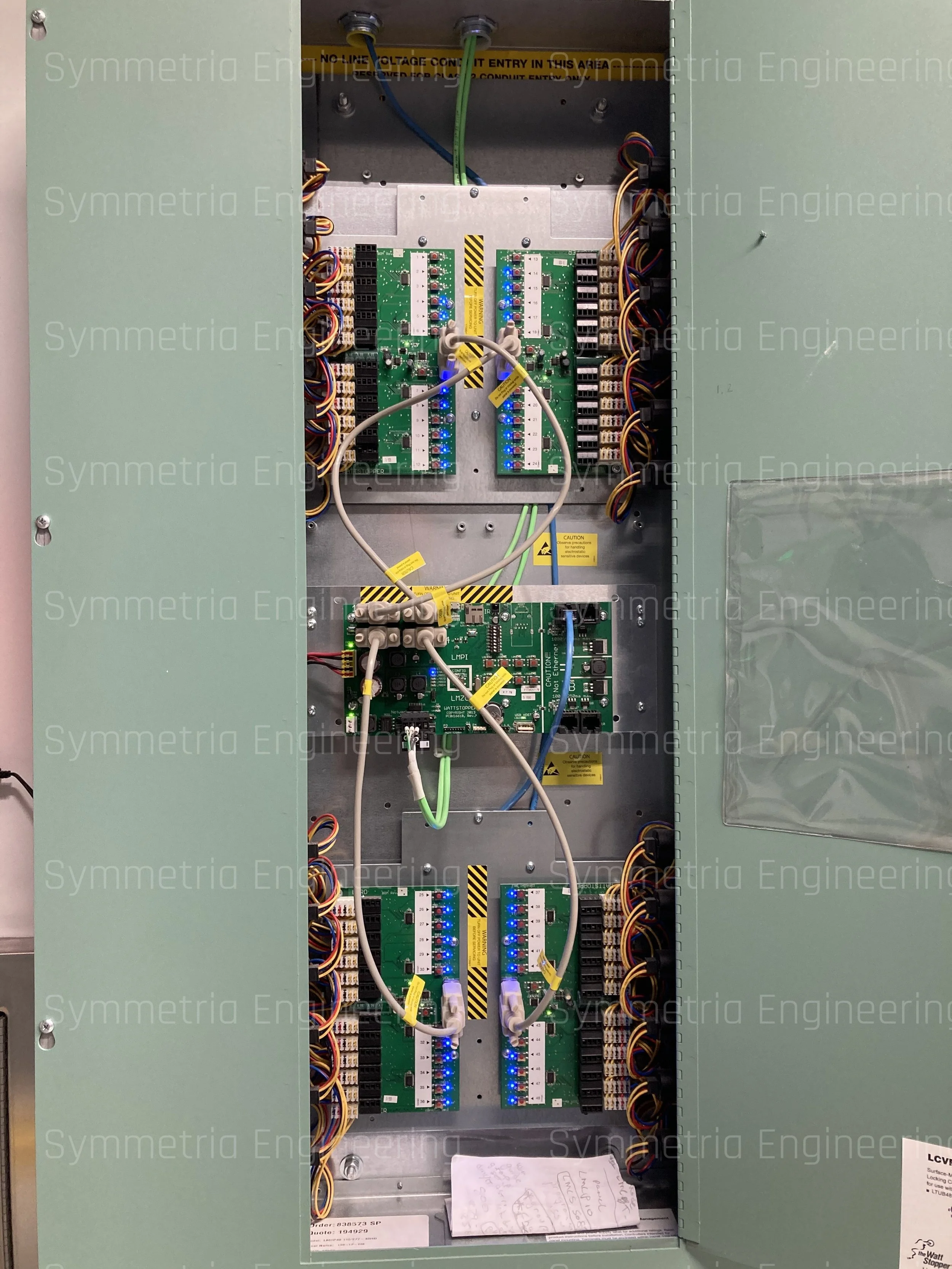
Lighting Contro Board with Integrated Relays
Without careful circuit identification and engineering documentation, workers may unknowingly encounter energized neutral conductors.
The Role of Electrical Codes and Safety Standards
Electrical safety standards recognize the risks associated with multiwire circuits. The National Electrical Code includes provisions that require simultaneous disconnecting means for certain multiwire branch circuits to reduce these hazards.
Additionally, electrical safety practices outlined in NFPA 70E, developed by the National Fire Protection Association, emphasize verifying that all conductors—including neutrals—are safe before beginning work.
Despite these protections, shared neutrals remain a common source of electrical incidents when systems are modified or expanded without proper planning.
How Proper Electrical Design Reduces the Risk
Thoughtful electrical design can significantly reduce the risks associated with shared neutral systems.
Electrical engineers evaluate distribution strategies that prioritize both efficiency and safety, including:
Identifying where multiwire branch circuits are appropriate
Ensuring proper disconnecting methods are provided
Clearly documenting circuit configurations
Designing lighting systems with safe maintenance practices in mind
Clear electrical documentation and well-designed distribution systems help contractors understand exactly how circuits interact before work begins.
Collaboration Protects Everyone
Lighting upgrades, tenant improvements, and system expansions are routine parts of modern construction. But even routine electrical work can become dangerous when hidden system interactions are overlooked.
Architects, engineers, and contractors all play a role in ensuring these systems are designed and modified safely.
Early coordination and clear engineering documentation help ensure that electrical systems are not only efficient but also safe to install, maintain, and expand over time.
Designing Electrical Systems That Support Safe Work
At Symmetria Engineering, we believe electrical systems should be designed not only for performance and efficiency—but also for safe long-term maintenance.
By carefully evaluating distribution strategies, documenting circuit configurations, and coordinating closely with project teams, we help ensure that electrical infrastructure supports both building performance and worker safety.
Good electrical design doesn’t stop at delivering power. It ensures the system can be safely understood, maintained, and expanded for decades to come.